



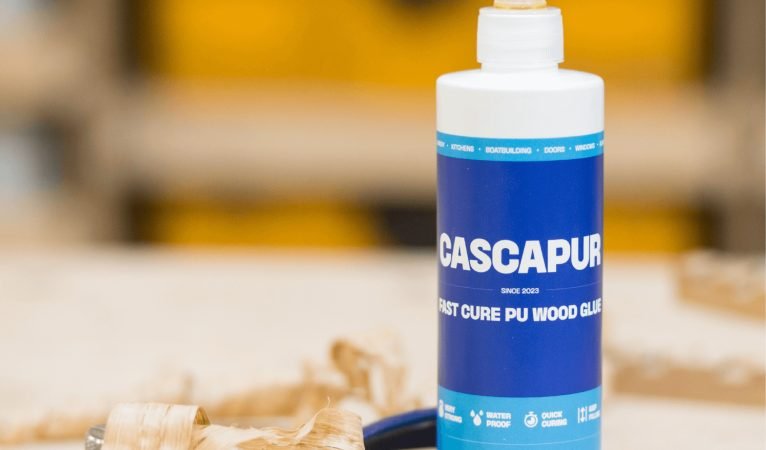
When working on walls, furniture, interiors, or exterior surfaces, the quality of the adhesive can make a major difference. A beautiful finish is only as reliable as the material holding it in place. Whether you are installing decorative panels, architectural finishes, or thin wood surfaces, selecting the right bonding product helps improve durability, appearance, and overall performance. Two useful solutions for these applications are cladding adhesive and veneer glue, each designed for specific bonding requirements.
Understanding Cladding Adhesive
Cladding adhesive is formulated to bond cladding materials securely to suitable surfaces. Cladding may be made from materials such as wood, composite panels, laminate, stone, metal, or other architectural finishes. Depending on the project, the adhesive needs to cope with movement, temperature changes, moisture, and the weight of the cladding.
Unlike a general-purpose glue, a specialist adhesive can provide the strength and flexibility needed for demanding installations. This is particularly important when cladding is exposed to changing environmental conditions. A reliable bond can help prevent panels from shifting, lifting, or separating over time.
Before choosing an adhesive, installers should consider the cladding material, substrate, location, and expected environmental exposure. An adhesive suitable for an indoor decorative panel may not be appropriate for an exterior application.
Why Proper Surface Preparation Matters
Even the best adhesive cannot compensate for a poorly prepared surface. Dust, grease, loose paint, moisture, and other contaminants can interfere with bonding. Before applying adhesive, the surface should be clean, dry, stable, and suitable for the installation.
Uneven surfaces may also create problems. If the cladding does not make adequate contact with the substrate, the bond can become inconsistent. Preparing the surface properly creates a better foundation for a strong and dependable installation.
It is also important to follow the manufacturer’s recommendations regarding application temperature, curing time, coverage, and substrate compatibility. These details can significantly influence the final result.
The Role of Veneer Glue in Woodworking
Veneer is a thin layer of natural or engineered wood used to create an attractive finish over another material. Because veneer is relatively thin, the adhesive used for installation needs to provide dependable bonding without damaging the surface.
Veneer glue is specifically intended for bonding wood veneer to suitable substrates. It can be useful in furniture production, cabinetry, decorative panels, doors, and restoration projects. The right adhesive helps keep the veneer firmly attached while supporting a smooth and professional appearance.
One of the main challenges with veneer is achieving even contact across the entire surface. Air pockets, uneven adhesive distribution, or insufficient pressure can result in bubbles, lifting, or visible imperfections. Using the correct glue and applying it according to the manufacturer’s instructions can help minimize these problems.
Choosing the Right Product for Your Project
Not every adhesive performs in the same way. Some products are designed for maximum strength, while others focus on flexibility, fast curing, moisture resistance, or ease of application. The best choice depends on the specific requirements of the project.
For cladding installations, consider:
- The type and weight of the cladding.
- The material of the substrate.
- Whether the project is indoors or outdoors.
- Exposure to moisture and temperature changes.
- Required curing time.
- Application method and coverage.
- Manufacturer recommendations and technical specifications.
For veneer work, additional considerations include the type of wood, substrate, veneer thickness, pressing requirements, and desired finish.
Avoiding Common Adhesive Mistakes
A few simple mistakes can reduce the performance of an adhesive installation. Applying too much product does not necessarily create a stronger bond. Excess adhesive can make positioning difficult and may extend curing time.
Another common mistake is rushing the curing process. Even when an adhesive feels firm on the surface, the bond may require additional time to reach its intended strength. Moving or loading the material too soon can compromise the result.
Storage is equally important. Adhesives should generally be stored according to the manufacturer’s specified conditions. Exposure to unsuitable temperatures or contamination can affect product performance.
Professional Results Start with the Right Adhesive
A successful cladding or veneer project involves more than selecting an attractive finishing material. The adhesive is an important part of the complete installation system. Choosing a product that matches the materials and environmental conditions can improve reliability and help protect the finished surface.
Whether you are installing architectural panels or creating a refined wood finish, taking time to understand the bonding requirements can prevent expensive repairs later. Proper surface preparation, correct application, sufficient curing time, and compatibility between materials all contribute to a successful outcome.
Final Thoughts
The right adhesive provides more than a temporary connection. It supports the durability, appearance, and performance of the finished project. Cladding adhesive can provide dependable bonding for a wide range of architectural applications, while veneer glue is designed to meet the particular needs of veneer and woodworking projects.
By evaluating the materials, substrate, environmental conditions, and application requirements before beginning work, you can select a bonding solution that is better suited to the job. A careful approach to adhesive selection and installation can make the difference between a finish that simply looks good and one that continues to perform well for years.