
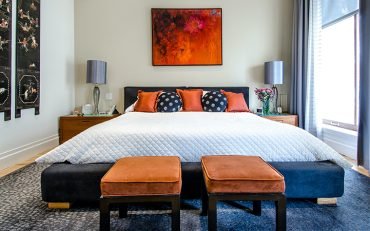



The hospitality industry is constantly evolving, and guests today expect more than just a comfortable bed. They look for memorable experiences, attractive interiors, convenient facilities, and personalized services. Whether you are planning a new hotel or renovating an existing property, a well-structured Hotel Design Plan is essential for creating a space that combines beauty, comfort, and functionality. For smaller properties, thoughtful Small Hotel Design can make even limited spaces feel luxurious, welcoming, and practical.
In this blog, we will explore the essential elements of hotel planning, innovative design ideas, and practical strategies to create a successful hospitality space.
1. Understanding the Importance of a Hotel Design Plan
A Hotel Design Plan serves as the foundation for developing a functional and visually appealing hotel. It outlines the layout, room arrangements, guest facilities, circulation areas, interior themes, lighting, and other important architectural details.
A well-planned design helps hotel owners use available space efficiently while maintaining guest comfort and operational convenience. It also helps establish a consistent identity that reflects the hotel’s target audience, location, and brand values.
Before beginning the design process, consider the following factors:
- Target audience: Identify whether your hotel caters to business travelers, families, tourists, or luxury travelers.
- Available space: Evaluate the property’s size, shape, and existing structural limitations.
- Budget planning: Allocate funds for construction, furniture, lighting, technology, and finishing materials.
- Local regulations: Follow applicable building codes, fire safety requirements, accessibility standards, and other legal guidelines.
- Future expansion: Consider whether the property may require additional rooms or upgraded facilities later.
Careful planning at this stage helps reduce unnecessary expenses and creates a clear direction for the entire project.
2. Essential Elements of Small Hotel Design
Small Hotel Design requires creativity, careful space management, and attention to detail. Unlike large hotels, smaller properties often operate with limited floor areas, making every design decision important.
The goal is to create an environment that feels spacious, organized, and comfortable without compromising functionality.
Efficient Space Planning
Efficient space planning is one of the most important aspects of small hotel development. Each area should serve a clear purpose, from the reception and waiting lounge to guest rooms, dining spaces, and service areas.
Open layouts can make common areas feel larger, while multifunctional furniture helps maximize the available floor space. For example, a compact reception area can incorporate a small waiting lounge, and built-in storage can reduce clutter in guest rooms.
It is equally important to separate guest circulation from housekeeping and service routes wherever practical.
Smart Guest Room Layouts
Guest rooms are the heart of every hotel. Even a small room can feel comfortable when the furniture arrangement, lighting, and storage are planned properly.
Consider using wall-mounted bedside tables, built-in wardrobes, compact work desks, and space-saving luggage racks. Large mirrors and light-colored walls can create a sense of openness, while well-positioned windows improve natural lighting and ventilation.
The room should also provide sufficient electrical outlets, convenient charging points, comfortable bedding, and easy access to bathroom facilities.
Attractive Reception and Lobby Areas
The reception area creates the first impression of a hotel. A clean, welcoming, and well-organized lobby can improve the guest experience from the moment visitors arrive.
In small hotels, the reception desk should be appropriately sized and positioned to maintain clear movement throughout the entrance. Thoughtful lighting, comfortable seating, indoor plants, and locally inspired decorative elements can add character without overcrowding the space.
3. Choosing the Right Interior Design Style
The interior style should complement the hotel’s location, concept, and intended guests. A consistent visual theme makes the property feel professionally designed and memorable.
Popular options include:
- Modern minimalist: Clean lines, neutral colors, simple furniture, and uncluttered interiors.
- Contemporary luxury: Premium finishes, elegant lighting, sophisticated textures, and refined furniture.
- Traditional design: Local craftsmanship, regional materials, cultural artwork, and heritage-inspired details.
- Nature-inspired design: Natural wood, indoor plants, earthy colors, and materials that create a relaxing atmosphere.
For effective Small Hotel Design, avoid adding too many decorative features. A few carefully selected elements often create a stronger visual impact than an overcrowded interior.
4. Lighting and Color Selection
Lighting significantly influences the mood and functionality of hotel spaces. A successful Hotel Design Plan should combine natural light, general illumination, task lighting, and accent lighting.
Guest rooms benefit from warm bedside lighting, practical bathroom illumination, and sufficient light around work areas. In reception and dining spaces, layered lighting can create a welcoming atmosphere while highlighting architectural features.
Color selection is equally important. Whites, beige, soft gray, and earthy tones can make compact interiors appear more open. Accent colors can then be introduced through artwork, cushions, furniture, or feature walls.
The key is to maintain visual consistency throughout the property while allowing each space to serve its specific purpose.
5. Incorporating Technology and Sustainable Features
Modern travelers increasingly appreciate convenience and environmentally responsible hospitality. Integrating technology and sustainable features into the design can improve guest satisfaction while supporting efficient hotel operations.
Consider installing energy-efficient LED lighting, water-saving bathroom fixtures, efficient air-conditioning systems, and durable materials that require less maintenance.
Smart room controls, electronic access systems, reliable Wi-Fi, and convenient charging facilities can further enhance the guest experience.
Whenever possible, use natural ventilation and daylight to reduce energy consumption. Select locally available materials and furniture where appropriate, and plan waste management facilities from the beginning.
Sustainable design should be practical, measurable, and suited to the property’s climate and operating requirements.
6. Designing Functional Bathrooms and Common Areas
Bathrooms should prioritize hygiene, safety, comfort, and easy maintenance. Even in compact guest rooms, thoughtful layouts can provide sufficient storage, effective ventilation, well-planned lighting, and convenient shower facilities.
Use slip-resistant flooring, quality waterproofing, durable fittings, and accessible layouts appropriate to the hotel’s requirements.
Common areas also deserve attention. A small breakfast area, rooftop seating space, courtyard, or compact lounge can become a valuable feature when designed carefully. These spaces offer guests opportunities to relax and socialize without requiring a large footprint.
7. Planning Your Hotel Design Budget
A realistic budget is essential for turning design concepts into a successful project. Construction, professional design fees, furniture, fixtures, equipment, mechanical and electrical systems, approvals, and contingency funds should all be considered.
Prioritize investments that directly affect guest comfort, safety, durability, and operational efficiency. High-quality mattresses, dependable plumbing, good lighting, and durable flooring may offer greater long-term value than expensive decorative features.
Consult qualified architects, interior designers, and building professionals to ensure that the design is feasible, compliant, and aligned with your financial goals.
Conclusion
A successful Hotel Design Plan balances functionality, aesthetics, guest comfort, and long-term operating costs. With thoughtful space planning, appropriate materials, attractive interiors, and modern amenities, even a compact property can deliver an impressive hospitality experience.
Effective Small Hotel Design is not about fitting as many features as possible into a limited area. It is about making every square foot useful, creating a welcoming atmosphere, and delivering the comfort guests expect.
By investing in careful planning and professional design, hotel owners can develop spaces that stand out in a competitive market, strengthen their brand identity, and encourage guests to return.